
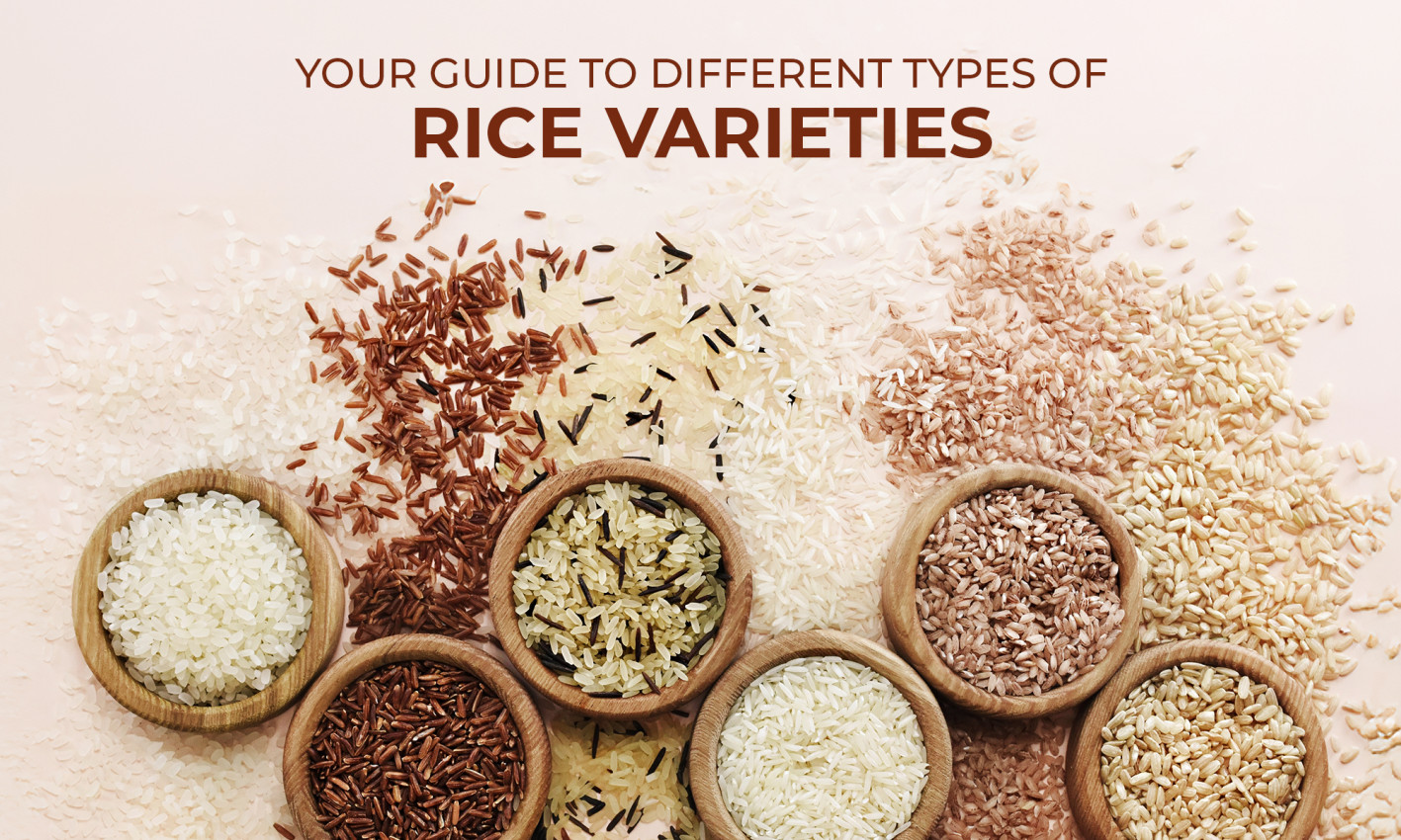
From Grain to Glory – The Comeback of India’s Indigenous Rice Varieties
`
Introduction
For most Indians, rice isn’t just food — it’s emotion. It’s in our festivals, our comfort bowls, our temple rituals. Yet, behind the steaming plates and fluffy grains, lies a forgotten story: India once had over 100,000 varieties of rice.
Names like Navara, Kullakar, Karuppu Kavuni, Jeerakasala, and Chak Hao were part of every region’s identity.
Each variety had its own flavor, color, aroma, and nutritional profile — some rich in iron, others medicinal, a few even grown for ritual offerings.
Then came the Green Revolution, and everything changed.
The Fall of Diversity
The 1960s saw India’s agricultural landscape shift from diversity to uniformity.
Hybrid and high-yield rice varieties replaced traditional ones to meet growing demand. While production rose, the cost was immense — soil degradation, loss of biodiversity, and dependency on fertilizers.
Today, less than 6,000 indigenous rice varieties survive, and most are endangered. The good news? A quiet revival has begun — led by small farmers, organic movements, and conscious consumers.
The Nutritional Comeback
Modern science is now validating what our ancestors always knew — that traditional rice varieties are nutritional powerhouses.
Let’s look at a few examples that define this resurgence:
1. Navara Rice – Kerala’s Ayurvedic Grain
Known as the “rice of healing,” Navara is rich in antioxidants, minerals, and fiber. Ayurvedic doctors use it in therapies for arthritis, neurological disorders, and postnatal care.
It’s also gluten-free and has a low glycemic index, making it perfect for diabetics.
2. Kullakar Rice – The Tamil Heirloom
This short, red variety from Tamil Nadu grows in dry, nutrient-poor soils. It matures quickly, resists pests, and needs less water — a farmer’s blessing in today’s climate.
Its nutty flavor and chewy texture make it a gourmet favorite in organic markets.
3. Karuppu Kavuni – The Royal Black Rice
Known as “Emperor’s Rice” in ancient China and “Kavuni Arisi” in Tamil Nadu, this deep purple-black grain is packed with anthocyanins — powerful antioxidants that protect heart health.
Once reserved for royalty, it’s now trending globally as a superfood.
Sustainability and Soil Health
These traditional varieties aren’t just healthier for people — they’re healthier for the planet.
Most indigenous grains are:
-
Naturally resistant to pests and floods
-
Require fewer chemical inputs
-
Thrive in regional soil and weather conditions
That makes them ideal for organic and regenerative agriculture.
A farmer growing Kullakar or Navara doesn’t need imported seeds every season; they save and share their own. It’s a self-sustaining cycle — economical, ecological, and ethical.
The Farmers Behind the Revival
Across India, farmers are rediscovering pride in their roots.
In Tamil Nadu, small collectives trade traditional seeds through local markets and NGOs.
In Odisha and West Bengal, women-led farming groups exchange heirloom varieties in seed festivals called “Beej Mahotsav.”
Organizations like Save Our Rice Campaign and Navdanya are preserving and documenting hundreds of rice types, ensuring the next generation inherits this genetic wealth.
It’s not nostalgia driving them — it’s survival.
Climate change is making hybrid crops unstable. Indigenous rice, bred by nature and time, can adapt better to stress and scarcity.
Consumers Joining the Movement
The revival isn’t possible without demand — and urban India is catching on.
Organic stores, farmer’s markets, and online platforms now feature indigenous rice prominently.
Health-conscious consumers are willing to pay a fair price for authenticity.
Each purchase tells the farmer, “Your heritage matters.”
That’s where platforms like Tatsat Bharat come in — connecting traditional growers directly to modern buyers while ensuring quality and transparency.
Challenges on the Field
Despite its promise, the indigenous rice revival faces hurdles:
-
Market confusion — Many consumers still see “red rice” or “black rice” as exotic novelties rather than daily staples.
-
Limited awareness — Few people know how to cook or use them.
-
Storage and supply issues — Local farmers often lack the infrastructure for large-scale distribution.
Tatsat Bharat aims to solve this by building trust and visibility for India’s indigenous produce through marketing, storytelling, and certification partnerships.
The Economic Impact
When farmers shift from hybrid to heritage varieties, they’re not just growing crops — they’re reviving ecosystems and economies.
Indigenous rice sells at 30–50% higher margins in organic markets, and since input costs are lower, profits are significantly higher.
Add to that the cultural value — each grain tells a regional story that adds branding power and emotional connection.
Imagine labels like:
-
“Kullakar Rice – Born in the soils of ancient Tamil Nadu.”
-
“Navara – Kerala’s Healing Grain.”
-
“Karuppu Kavuni – The Royal Rice of the South.”
That’s storytelling through sustainability.
The Tatsat Bharat Commitment
At Tatsat Bharat Marketing Agency, we celebrate India’s diversity through products that tell a story — one seed at a time.
We work with organic farmers, traditional seed savers, and cooperative societies to ensure these grains reach homes across India.
Our mission is to make indigenous rice not an exotic niche but a daily choice for every Indian household.
We believe that reviving our ancient grains isn’t just about food — it’s about identity.
Conclusion: Every Grain is a Heritage
Each grain of indigenous rice carries history — of rain-soaked fields, shared labor, and ancestral wisdom.
In saving these grains, we’re saving more than biodiversity — we’re saving the spirit of Indian civilization.
So the next time you see a packet labeled Navara, Kullakar, or Black Rice, know this:
You’re not buying rice.
You’re buying resilience, heritage, and hope — the essence of a living, breathing Tatsat Bharat.